


Feeding the Front: The Nutritional Needs of Ukrainian Soldiers at War
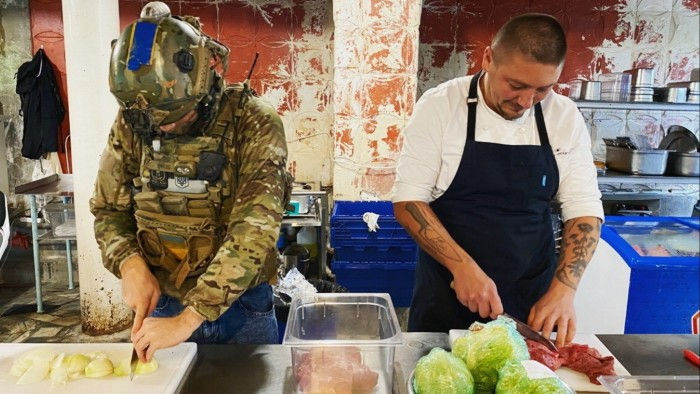
In the fourth year of full-scale war, Ukraine’s soldiers endure not only shellfire and freezing trenches, but the relentless test of physical endurance under extreme conditions. On the eastern front, combat troops may march 20 kilometres in a day, dig fortifications for hours, then stand guard through the night in near-starvation conditions. Under such strain, food is not merely fuel—it is strategy.
While much has been said of weapons deliveries, mobilisation laws and battlefield tactics, comparatively little public discussion has focused on the role of nutrition in sustaining combat effectiveness. We now address the essential nutritional needs of Ukrainian soldiers, the challenges of providing adequate field rations, the role of humanitarian and domestic initiatives, and the reforms needed to turn wartime logistics into long-term readiness.
Caloric Demands in Combat Conditions
The average Ukrainian infantry soldier, fighting in the Donbas or Zaporizhzhia, requires between 3,500 to 5,000 kilocalories per day, depending on climate, terrain and operational tempo. This exceeds peacetime needs by 50–100%, and the demand surges in winter or under conditions of sleep deprivation, heavy gear transport, or prolonged stress.
The diet must provide:
High-quality proteins for muscle repair (e.g. tinned meats, vegetables, dairy powder)
Complex carbohydrates for sustained energy (e.g. bread, rice, buckwheat, barley)
Healthy fats for concentrated calories and warmth (e.g. lard, nuts, oil)
Vitamins and minerals to support immunity and cognitive function (e.g. vitamins B, C, D, zinc, iron)
Combat stress and sleep deprivation accelerate nutrient depletion, while injuries and cold weather increase the body’s metabolic needs. Malnourished troops lose physical endurance, suffer poor wound healing, and face greater risk of infection and psychological collapse.
The Ukrainian Army’s Ration System
Ukraine inherited from the Soviet military a standardised ration system built around bulky tinned products and uniform menus. In recent years, reform has been slow but real. Since 2017, a “catalogue nutrition” model has been adopted for peacetime garrisons, allowing unit-level choice from over 400 items.
But in wartime—especially on the front lines—logistics constrain choice. The “dry ration pack” (individual ration) remains the staple meal for many troops. A typical ration includes:
3 tinned meals (porridge with meat, stew, or beans)
Packets of crackers or rye bread
Instant coffee, tea, sugar
Dried fruit or sweets
Condiments (salt, pepper)
Fuel tablets and a heating tin
These packs supply about 3,200–3,400 kcal/day, adequate in theory but often insufficient in practice. Soldiers may go days without hot food, and spoilage is common during summer or when packs are exposed to moisture. While improvements have been made in packaging and content variety, complaints remain widespread regarding taste, nutritional density and monotony.
Supplementary Nutrition and Civil Society Support
Recognising these gaps, a parallel system of support has emerged from volunteers, NGOs and families. Supplementary food deliveries often include:
Smoked meats and sausages (high fat and protein, long shelf life)
Fresh bread and vegetables (when possible, from nearby towns)
Dried fruits and nuts (compact, high-calorie snacks)
Protein powders and vitamin tablets (increasingly common donations)
Instant soups and noodles (lightweight, morale-boosting)
Some front-line units have field kitchens capable of boiling soups, stewing potatoes and preparing eggs—especially in rear positions. In winter, calorie-dense meals like borscht with pork fat or buckwheat with butter are essential to preserve body heat.
Humanitarian contributions have also filled nutritional gaps, with international partners sending fortified biscuits, MREs (Meals Ready-to-Eat) and field stoves. However consistent delivery to the front line is often disrupted by shelling, fuel shortages, or command bottlenecks.
The Psychological Value of Food
For exhausted soldiers, food is not only sustenance—it is ritual and morale.
Hot meals offer brief respite from the horror of war.
Tastes from home—a mother’s cookies, coffee from a care package—can spark emotional release.
Shared meals in dugouts foster unit cohesion and trust.
Indeed commanders often report that units with consistent hot food access are more resilient, less likely to break under pressure, and more willing to hold positions under fire.
In this context, military nutrition is not a luxury. It is battlefield psychology in edible form.
Nutrition for the Wounded and Recovering
Soldiers recovering from injury—whether in hospitals or rehabilitation centres—require a different nutritional profile:
Increased protein to rebuild tissue (eggs, chicken, cottage cheese)
Iron and folate to support blood production post-trauma
Zinc and Vitamin C to accelerate wound healing
Balanced energy intake to avoid excess weight gain during immobility
Injured personnel, especially those with amputations or burns, often face appetite loss or gastrointestinal complications. Medical nutrition support is available in large military hospitals, but is under-resourced in field stabilisation points and rural clinics.
NGOs such as Povernys Zhyvym, Hospitallers, and Support Hospitals in Ukraine have developed tailored meal programmes for wounded veterans, sometimes supplementing state funds.
Current Challenges and Policy Shortcomings
Despite these efforts, systemic issues persist:
Supply chain fragility: even minor disruptions in road or rail transport can leave entire units underfed.
Poor ration rotation: expired or damaged packs are still sometimes issued.
Lack of dietary diversity: front-line units often receive the same meals for weeks on end.
Inadequate nutrition for female soldiers: Ukraine’s growing female military population is not yet well-served by male-centric ration design.
Minimal nutritional training for field commanders and medics.
Corruption and mismanagement in procurement have also marred the ration system, prompting occasional scandals and demands for reform.
Towards a Strategic Nutrition Doctrine
To meet the demands of prolonged war, Ukraine must adopt a strategic nutrition policy encompassing:
Modular ration kits, allowing flexible combinations of calorie sources, not one-size-fits-all packs.
Front-line kitchens with protected logistics, enabling daily hot meals for all units.
Smart packaging and labelling, with clear expiry dates and nutritional breakdowns.
Diet diversification through local procurement of fruits, vegetables, and fermented dairy.
Rehabilitation nutrition as a formal part of wounded soldier care.
Partnerships with international food science institutions for fortified products adapted to war conditions.
A healthy army is a strategic asset. Nutritional support is therefore not merely a welfare issue. It is a national security imperative.
Food as Defence
The soldier in the trench must be strong. But that strength does not come only from armour or training. It comes from calories, proteins, taste and memory; from moments of shared soup under shellfire.
In Ukraine’s war of attrition, endurance may prove more decisive than firepower. Endurance begins with nutrition. The challenge ahead is not only to feed the army but to nourish her fighting soul—day after day, meal after meal, until victory.


