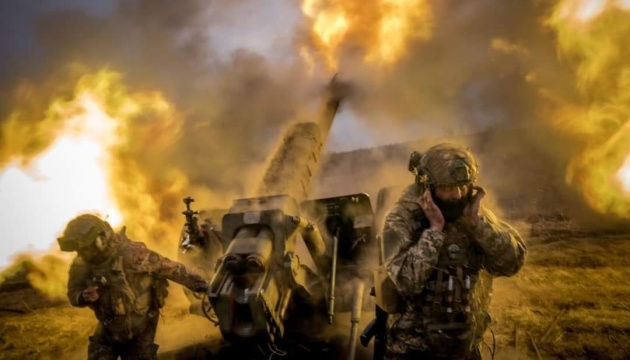
After the Missiles, Dawn

By Yuliia Hryhorieva
Saturday 3 October 2026
It is impossible to become accustomed to the fear of death. You can trick your brain; you can learn to push the fear somewhere into the background. But you can never truly get used to it. A few weeks of silence in Kharkiv can distance you a little from that fear, yet the longer the quiet lasts, the more you find yourself wondering whether today will be the day the missiles start flying again.
01:27.
I woke abruptly and reached for my phone. A moment later, a message flashed across the screen — the message that people in Kharkiv dread more than almost any other:
“MISSILE.”
There are only 50 seconds. Brief seconds that somehow feel like an eternity. Fifty seconds of inevitability.
“SECOND ONE!”
“EXPLOSION.”
“ONE STILL IN THE AIR.”
“STILL FLYING.”
“FOURTH ONE.”
“EXPLOSION.”
“Is everyone okay?”
It feels as though an hour or two must have passed. In reality, it has been only ten minutes since the last of the booms.
And what do you feel afterwards?
Joy.
Because you heard every single explosion. And if you heard them all, it means you are alive.
Twenty minutes later, the group chat has changed completely. After cursing our Russian neighbours in every imaginable way, a thousand Kharkiv residents are already discussing what to find for a snack. People exchange recipes for khash and okroshka. They tease the panickers and those who have only recently returned to the city. Someone complains about the noise of the street-sweeping truck cleaning the road in the middle of the night. Parents carry their children from the hallway back to their beds. Others curse the neighbours once again while sweeping shattered glass from their floors.
Life resumes with extraordinary speed. Perhaps it has to.
I brewed myself some Carpathian tea and stepped outside onto the porch. For a long time, I stared into the mysterious night sky and listened to the distant croaking of frogs. After everything that had just happened, there was something almost surreal about their indifference. The frogs continued their nocturnal conversation as though missiles had never existed.
An hour later, the sun began to rise over the horizon, first casting a faint grey light and then a warmer glow. At such moments, dawn feels like a miracle. It brings with it the hope that after even the most terrifying and darkest of nights there must eventually come a bright and luminous day, just as we continue to believe that good must ultimately triumph over evil.
I do not know what the horizon will look like when that dawn finally comes. Perhaps it will be framed by the yellow leaves of autumn, by branches covered in snow, by the white blossom of apple trees or by the deep green canopy of summer.
But such a dawn will inevitably come.